What to Do When You Find an Injured Street Dog
Approaching an injured animal requires caution. Even a normally friendly dog may bite when frightened or in severe pain.
If it is safe to help:
Keep yourself and the animal away from traffic or other dangers.
Approach slowly and calmly.
Avoid forcing the dog to stand or walk.
Contact a veterinarian or animal rescue organization.
Follow professional instructions about transportation.
Keep the dog warm and comfortable while waiting for help, when appropriate.
Never give human pain medication to a dog unless a veterinarian specifically tells you to do so. Some medications that are safe for people can be dangerous or even fatal to pets.
Recovery Can Take Time
Serious injuries do not always heal quickly. Depending on the diagnosis, a dog may need rest, medication, follow-up examinations, wound care, physical rehabilitation, or other veterinary treatment.
Recovery should always be guided by a veterinary professional.
A dog that has suffered an injury may also become nervous or fearful. A quiet environment and gentle handling can help reduce stress while the animal recovers.
Rehabilitation After an Injury
Some dogs need rehabilitation to gradually regain strength and mobility.
Depending on the injury, a veterinarian may recommend controlled activity, specific exercises, or referral to a qualified veterinary rehabilitation professional.
The goal is to help the dog regain function safely without putting unnecessary stress on healing bones, muscles, or joints.
Nutrition During Recovery
Good nutrition is another important part of recovery.
Dogs need a balanced diet that provides adequate protein, calories, vitamins, minerals, and other nutrients. However, the ideal diet can vary depending on the dog's age, size, medical condition, and activity level.
A veterinarian can recommend an appropriate feeding plan, particularly when an injured dog is underweight or recovering from prolonged neglect.
Giving a Rescue Dog a Second Chance
Medical treatment is only one part of rescuing a street animal.
Once the dog is stable, he may also need vaccinations, parasite prevention, identification, and eventually a safe permanent home.
Adoption can provide a rescued dog with stability and continued care after leaving the shelter or foster environment.
Potential adopters should consider the dog's medical needs, temperament, exercise requirements, and long-term care costs before making a commitment.
A Second Chance Starts With One Act of Kindness
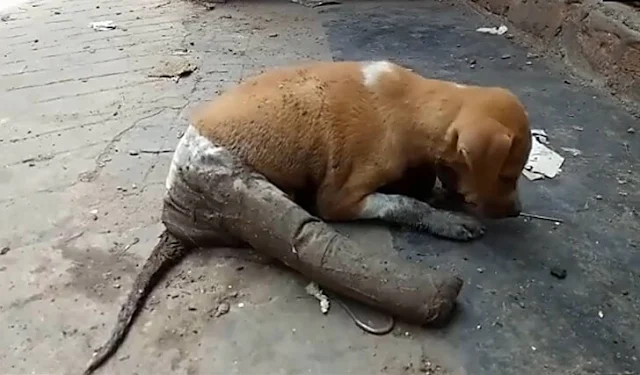
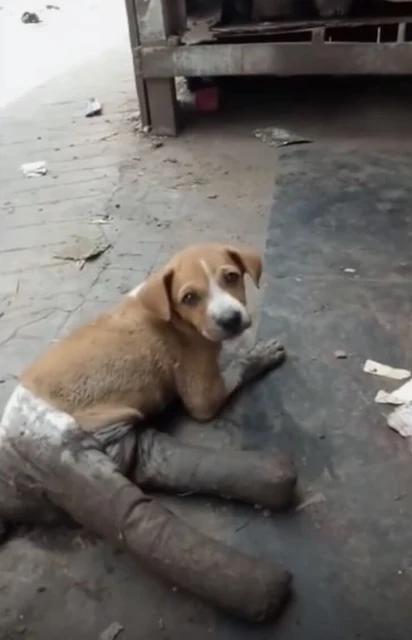
The puppy in this story was facing a difficult situation when rescuers found him. Getting him away from the street and into professional care gave him an opportunity that many injured stray animals never receive.
His story is a reminder that when we encounter an injured animal, getting professional help quickly can make a real difference.
A rescue is not simply about saving an animal from immediate danger. It is also about providing the medical care, rehabilitation, nutrition, patience, and safe environment needed to give that animal a better future. ❤️
FAQ
What should I do if I find an injured dog?
Move the animal away from immediate danger only if it is safe to do so, then contact a veterinarian or local animal rescue organization.
Can I give an injured dog human painkillers?
No. Do not give human medication unless a veterinarian specifically instructs you to do so.
Should an injured dog be forced to walk?
No. If the dog has difficulty walking or may have a serious injury, avoid unnecessary movement and follow veterinary advice.
How long does recovery take?
Recovery depends on the type and severity of the injury. Some dogs recover within weeks, while more serious injuries can require months of treatment and rehabilitation.
Can an injured street dog be adopted?
Yes, many injured rescue dogs can eventually live happy lives with appropriate veterinary care and a suitable home.