

MY DOGS


12 February
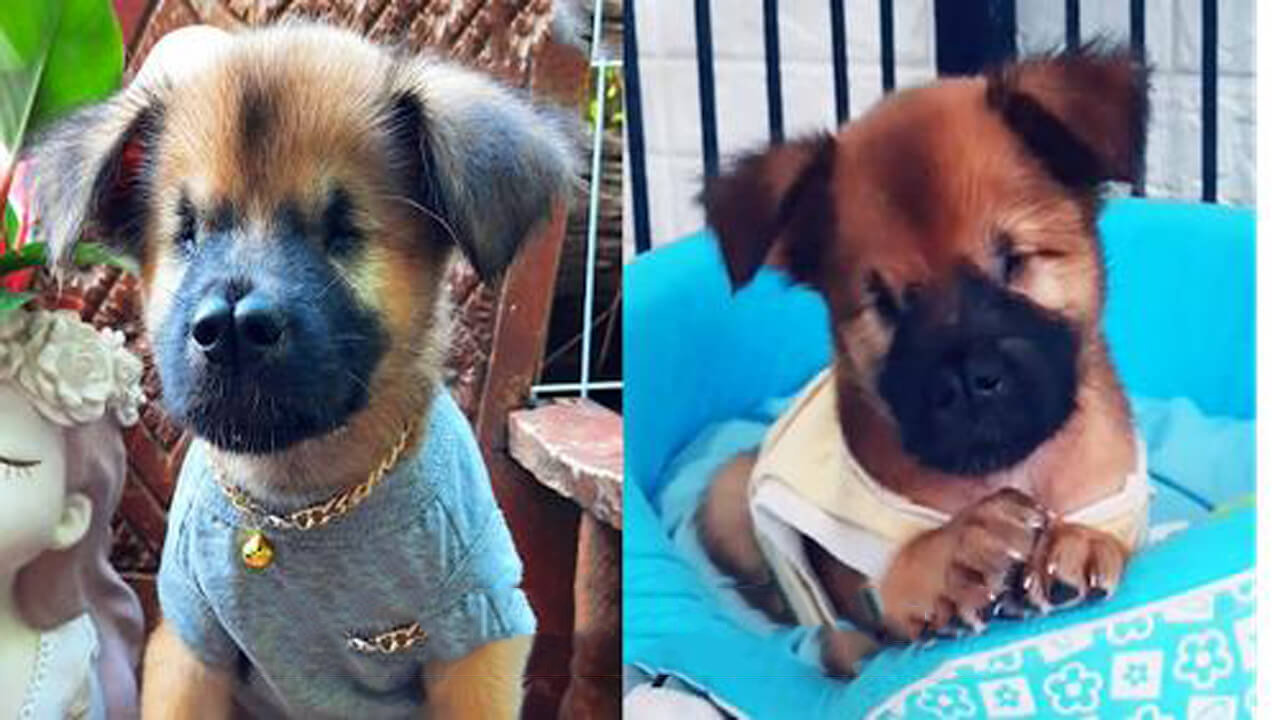
img: Youtube '' AnimalSTEP Official ''
Puppy Born Without Eyes Gets a Second Chance at a Happy Life ❤️
Some puppies enter the world facing challenges that require extra patience and specialized care. Being born without functioning eyes can make everyday life different, but it does not necessarily prevent a dog from enjoying a safe, active, and loving life.
One little puppy featured in this story was born without eyes, yet he was otherwise reported to be in good health. With appropriate care and a supportive environment, he was given the opportunity to grow up surrounded by people who cared about him.
A Puppy Facing a Different Beginning
From the beginning, this puppy needed people who understood that his lack of vision did not define his personality or his ability to enjoy life.
According to the story, he was playful and friendly despite his condition. A caregiver named Nampetch Petch decided to help him and look for a suitable family that could provide the long-term care he needed.
For dogs with disabilities, finding the right home is especially important. Potential adopters should understand the animal's individual needs before making a long-term commitment.
Can a Blind Dog Live a Happy Life?
Yes. Dogs rely on much more than vision to understand their surroundings.
Their sense of smell and hearing are extremely important, and many dogs with limited or no vision can learn the layout of a familiar environment and move around confidently.
A blind dog may need some adjustments at home, but blindness alone does not mean that a dog cannot have a fulfilling life.
How to Make a Home Safer for a Blind Dog
Owners can make several simple changes to help a visually impaired dog feel more secure.
Keep Furniture in Consistent Places
Avoid frequently moving furniture around. Once a dog learns the layout of the home, keeping major objects in predictable locations can make navigation easier.
Use Verbal Cues
Consistent words and sounds can help a blind dog understand what is happening around them.
Simple commands such as "stop," "step," or "come" can become useful safety cues when properly taught.
Protect Dangerous Areas
Stairs, balconies, swimming pools, and other hazards should be secured when necessary.
A veterinarian or qualified animal-care professional can also provide advice based on the dog's specific needs.
Give the Dog Time to Adapt
A new environment can initially be overwhelming. Patience is important while the dog learns the sounds, smells, and layout of the new home.
Veterinary Care Is an Important Part of Special-Needs Pet Care
When a puppy is born with a significant physical difference, a veterinary examination can help determine its overall health and identify any additional conditions that may require attention.
Regular veterinary checkups are important for every dog, but they can be particularly useful for monitoring animals with special needs.
A veterinarian can also advise the owner about nutrition, vaccinations, parasite prevention, exercise, and other aspects of preventive care.
Adoption Requires Preparation
Adopting a dog with a disability should be a carefully considered decision.
Before bringing the animal home, prospective owners should think about:
Veterinary and preventive-care costs
Safe areas inside and outside the home
Time available for training and companionship
The dog's exercise requirements
Appropriate food and daily care
How the household will accommodate the dog's disability
The goal should not simply be to rescue a vulnerable animal. The goal is to provide stable, long-term care.
Love and Patience Can Make a Difference
A disability may change the way a dog experiences the world, but it does not remove the animal's need for companionship, play, affection, and security.
This puppy's story is a reminder that special-needs animals deserve to be evaluated as individuals rather than judged only by their disabilities.
With responsible veterinary care, a safe environment, patience, and a committed family, dogs with vision loss can continue to experience many of the same joys as other companion animals.
A Second Chance at a Happy Life ❤️
Being born without eyes gave this puppy a difficult start, but it did not have to determine his future.
The care he received gave him an opportunity to grow, socialize, and experience the affection every companion animal deserves.
His story also carries an important lesson for potential adopters: special-needs dogs may require additional preparation, but they can still become loving and rewarding members of a family.
Advertisements